
Monarch Butterflies: Tracking Seasonal Movements and Environmental Adaptations
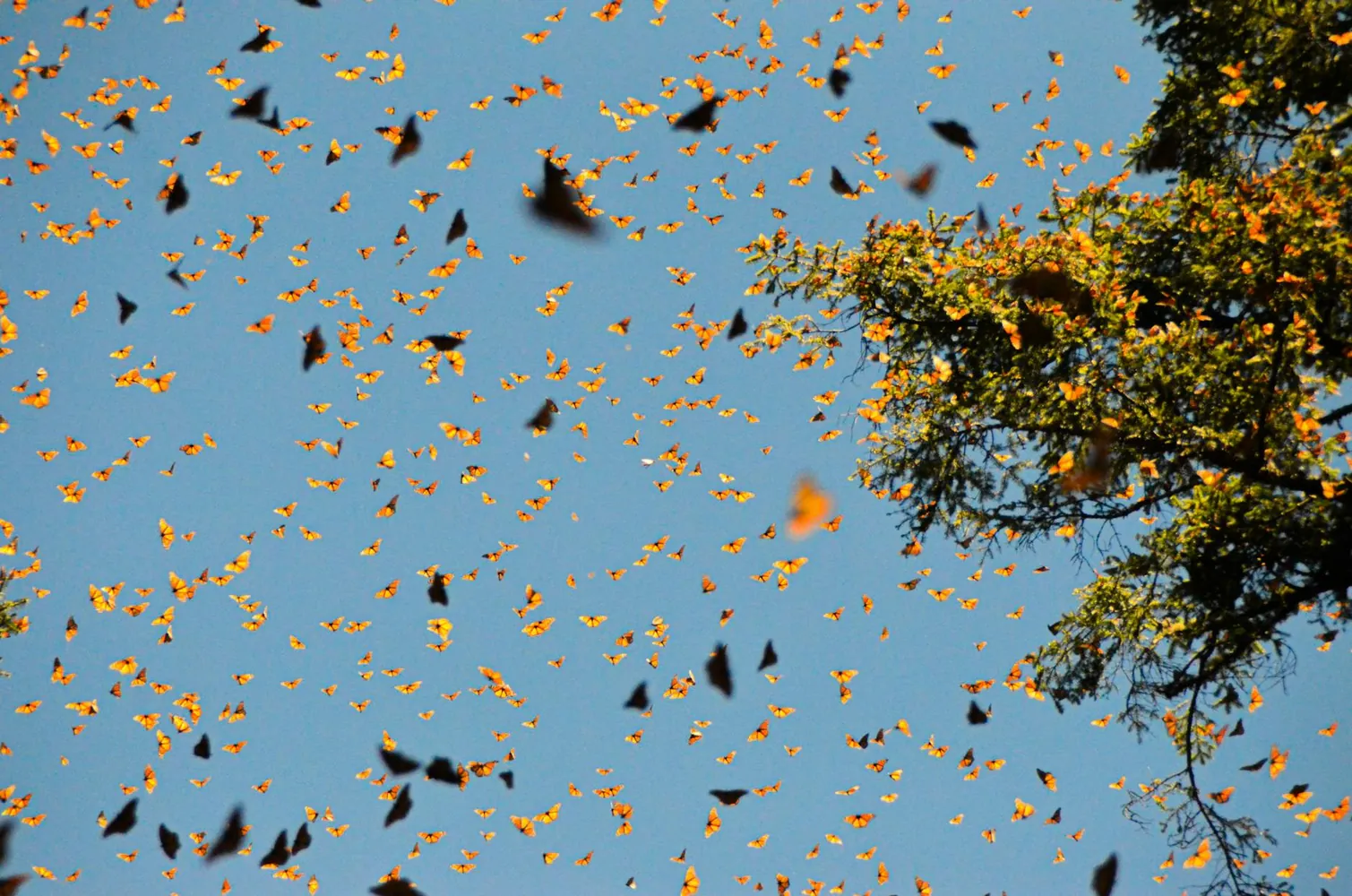
The Majestic Migration of Monarch Butterflies
The monarch butterfly, renowned for its striking orange and black wings, embarks on one of the most remarkable migrations in the animal kingdom. Each year, millions of these butterflies travel thousands of miles across North America to their wintering grounds in Mexico and California.
This incredible journey, spanning multiple generations, is a testament to their resilience and adaptability in the face of changing environmental conditions.
Migration Routes: From North America to Mexico
Monarch butterflies typically follow one of two main migration routes: the Eastern and Western pathways. The Eastern route is the more extensive, covering the journey from southern Canada and the eastern United States down to the Oyamel fir forests in the Sierra Madre mountains of Mexico. Meanwhile, the Western population primarily travels from coastal California to overwintering sites along the California coast.
- Eastern Route: Beginning their journey as far north as Southern Canada, these monarchs travel through states such as Texas and stop along the way at critical rest stops that provide nectar and habitat. Their final destination is the Oyamel fir forests where millions congregate during the winter months.
- Western Route: Monarchs from this group head towards California, particularly regions such as Pacific Grove, Monterey, and Santa Cruz, where they find suitable overwintering climates.
The choice between these routes is influenced by a variety of factors including climate conditions, availability of resources, and even human activity that affects their natural habitats.
Environmental Influences on Migration Patterns
Environmental conditions play a significant role in shaping the monarchs’ migratory paths and success. Temperature, wind patterns, and precipitation are crucial factors that influence their journey. Warmer temperatures may prompt earlier migrations, while adverse weather can delay their progress or reduce survival rates.
Impact of Climate Change
Climate change poses an evolving challenge to monarch butterflies. Altered weather patterns can disrupt their traditional timing, with warmer temperatures potentially causing mismatches in the availability of milkweed—the primary food source for monarch caterpillars—and suitable overwintering sites.
Moreover, extreme weather events, such as hurricanes or unseasonable frosts, can devastate butterfly populations en route or at overwintering sites. Conservationists stress the importance of understanding these impacts to mitigate potential threats through habitat protection and restoration efforts.
Natural Predators and Human-Induced Challenges
Apart from environmental challenges, monarchs face threats from natural predators like birds and insects. Additionally, human activities such as agriculture and urban development lead to habitat loss and fragmentation, which further complicates their migratory journey.
Usage of pesticides and herbicides in agricultural practices reduces the availability of milkweed along migratory paths, thereby impacting larval development and adult butterfly survival rates.
Conservation Efforts: Ensuring Safe Passage for Monarchs
Various conservation strategies aim to support monarch populations throughout their migratory range. These include habitat restoration projects, planting milkweed along migratory corridors, and fostering community awareness and involvement.
Creating Monarch-Friendly Habitats
One effective approach involves planting native milkweed species and nectar-rich plants along migration routes. This strategy not only provides critical resources for breeding but also helps sustain adult butterflies during migration.
- Milkweed Planting: By introducing native milkweed plants in gardens and wild spaces, communities can directly contribute to monarch conservation. This practice is particularly impactful in urban areas where natural habitats have diminished.
- Nectar Plants: Incorporating a diverse range of flowering plants that bloom at different times ensures that migrating monarchs have access to nectar throughout their journey.
Protected Areas and Legislation
The establishment of protected reserves in Mexico and California has been crucial for preserving critical overwintering habitats. These areas are often patrolled and maintained by local communities who understand the ecological significance of preserving monarch populations.
Furthermore, international collaborations under agreements like the North American Monarch Conservation Plan work to protect these vital ecosystems through legislation, research funding, and cross-border initiatives.
Conclusion: A Collective Effort Towards Conservation
The migratory journey of the monarch butterfly is a complex interaction between biological instinct and environmental influences. Protecting this majestic creature requires a concerted effort from individuals, communities, and governments across national borders. By understanding the unique challenges they face and actively participating in conservation efforts, we can help ensure that future generations will witness the awe-inspiring sight of monarchs gracing our skies each year.