
How Swallows Modify Their Nesting Practices in City Skylines
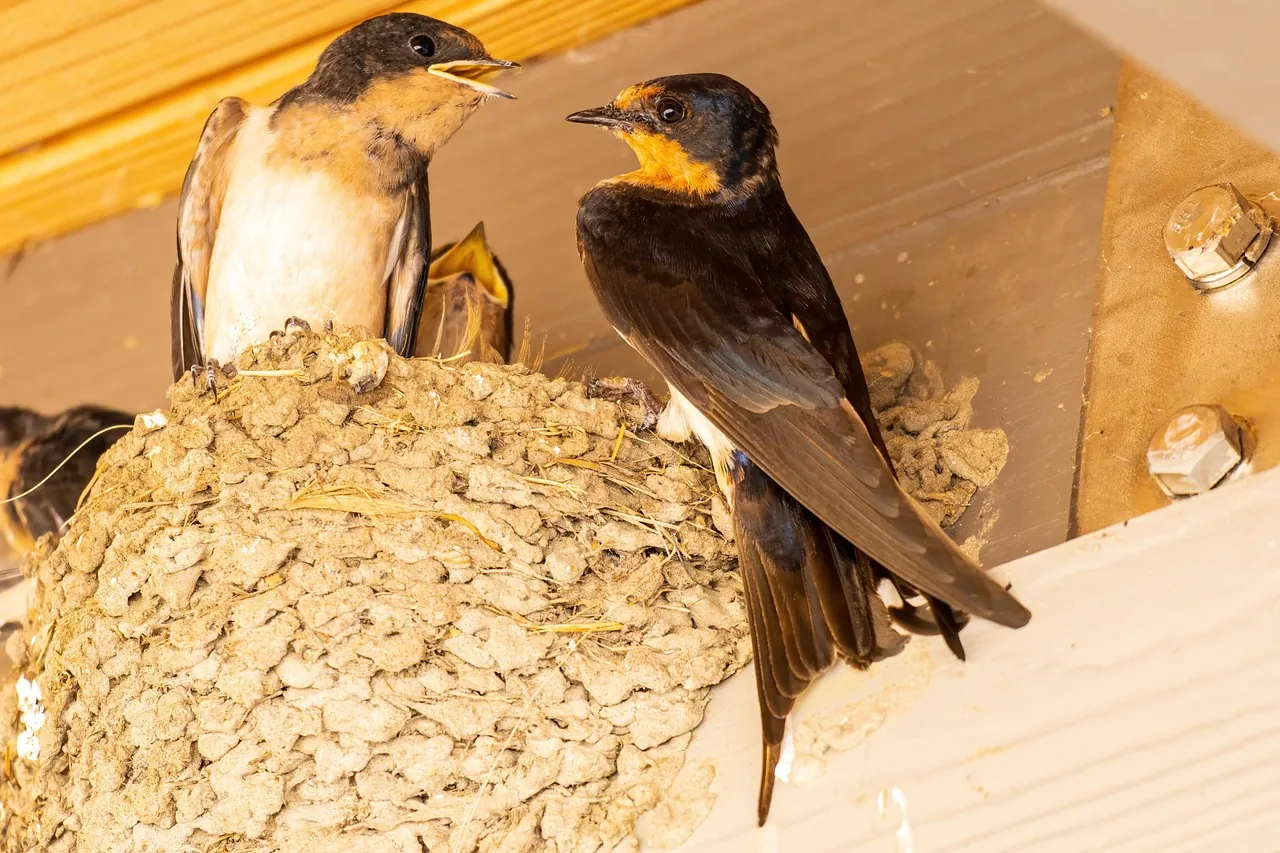
Urban Swallows: A New Chapter in Avian Adaptation
As cities expand and skyscrapers dominate the landscapes, wildlife faces the challenge of adapting to new environments. Swallows, known for their agile flight and graceful presence, are among the species that have found innovative ways to thrive in urban settings.
Their nesting practices, once predominantly natural and rural, have undergone significant changes to accommodate city life.
Nesting in the Concrete Jungle
Traditionally, swallows build their nests in natural habitats like cliffs, barns, and open fields. However, with urbanization, these birds have started exploiting man-made structures such as bridges, underpasses, and high-rise buildings for nesting purposes. This shift is not just a matter of necessity but also highlights their adaptability and intelligence.
The Traditional Approach: Natural Nesting Sites
In the wild, swallows prefer sites that offer safety from predators and proximity to food sources. Nests are often constructed with mud pellets and lined with feathers or grasses. These natural nests are typically found on ledges or under eaves that provide shelter from the elements.
- Pros: These sites are abundant in open areas and provide ample space for colonies.
- Cons: Increased predation risk and limited availability due to urban expansion.
Adapting to Urban Structures
The urban environment presents unique challenges and opportunities for swallows. Man-made structures often mimic the protective features of natural sites while being more readily available in dense cityscapes. High-rise buildings offer safe, elevated locations away from ground predators.
- Pros: Enhanced protection from predators and easy access to materials for nest building.
- Cons: Exposure to pollution and noise can affect breeding success.
Behavioral Adaptations for Urban Living
Swallows have not only changed where they build their nests but also how they behave in these new environments. Increased human activity requires these birds to be more vigilant and adaptive in their feeding and nesting habits.
Increased Tolerance to Human Presence
Urban swallows often exhibit a higher tolerance for human activities compared to their rural counterparts. This adaptation allows them to nest in bustling environments where food sources such as insects around streetlights are plentiful.
- Pros: More food resources due to urban lighting attracting insects.
- Cons: Risk of disturbance during nesting and fledging periods.
Checklist for Identifying Urban Swallow Nests
If you're keen on identifying swallow nests in your city, here’s a practical checklist to guide you:
- Look for cup-shaped nests made of mud attached under eaves or ledges on buildings.
- Observe active flight patterns around the nest site, especially during dawn and dusk.
- Listen for the characteristic chirping sounds of swallows, often near their nests.
- Note any insect activity nearby, as swallows are often seen feeding on the wing.
The Role of Urban Planning in Swallow Conservation
City planners and architects can play a significant role in supporting swallow populations by incorporating bird-friendly designs into urban infrastructure. For instance, providing ledges under bridges or designing building facades with potential nesting sites can encourage swallows to establish colonies without disrupting human activities.
Sustainable Building Practices
Integrating green roofs and vertical gardens not only supports biodiversity but also offers additional nesting sites for swallows. These sustainable practices contribute to the overall ecological health of urban areas.
- Pros: Promotes biodiversity and enhances aesthetic appeal of urban spaces.
- Cons: Initial costs can be high, requiring long-term investment.
Citizen Science and Public Awareness
Public involvement through citizen science initiatives can enhance our understanding of swallow behavior in urban areas. Encouraging city dwellers to participate in monitoring programs helps track population trends and contributes valuable data for conservation efforts.
- Pros: Empowers communities to engage in conservation efforts actively.
- Cons: Requires ongoing education and resource allocation to maintain participation levels.
A Glimpse into the Future
The adaptability of swallows demonstrates nature's resilience in the face of urbanization. As cities continue to grow, it is crucial that we foster environments where wildlife can coexist alongside human development. By understanding and supporting the needs of urban swallows, we can ensure that these fascinating birds remain a vibrant part of our cityscapes for generations to come.