
Benefits and Challenges of Natural vs. Captive Approaches in Wildlife Recovery
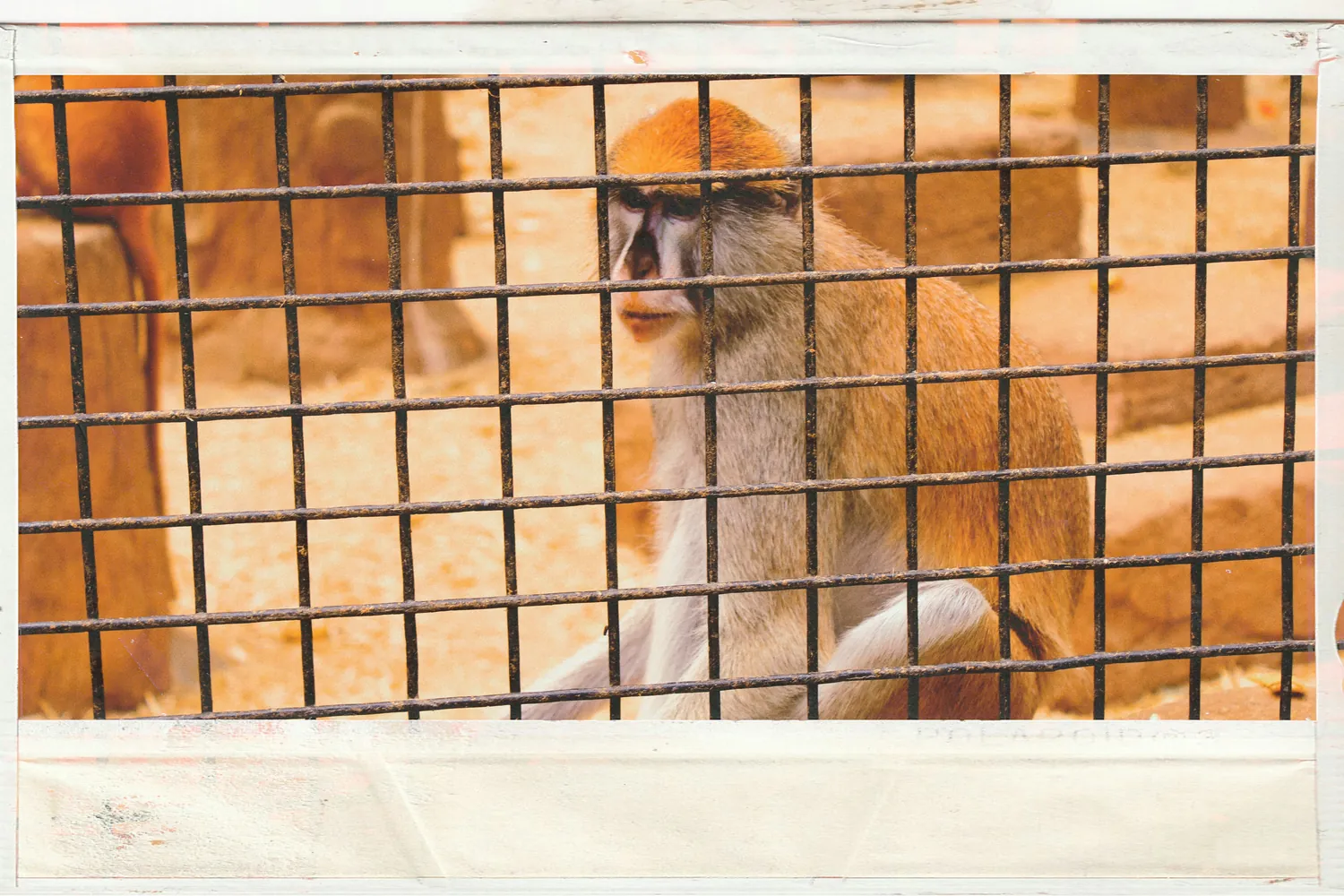
Understanding Wildlife Recovery Approaches
Wildlife recovery involves strategies aimed at helping threatened or endangered species return to a stable and sustainable population. Among the methods employed, natural rehabilitation and captive rearing are two primary approaches.
Each has its distinct benefits and challenges, and their effectiveness can vary greatly depending on specific circumstances.
The Natural Approach to Wildlife Recovery
Natural rehabilitation focuses on restoring an animal's ability to survive and thrive in its original habitat. This involves minimal human intervention and aims to preserve the ecological integrity of wildlife.
Advantages of Natural Rehabilitation
- Habitat Preservation: By maintaining wildlife in their natural environments, these efforts often include habitat conservation measures that benefit entire ecosystems, not just individual species.
- Behavioral Integrity: Animals retain their natural behaviors without the influence of captivity. This includes foraging, mating rituals, and social structures that are critical for survival.
For instance, the recovery efforts for the Yellowstone wolves involved minimal human interference, allowing the wolves to establish their packs naturally while monitoring ensured their protection from human threats.
Challenges of Natural Rehabilitation
- Uncontrolled Threats: Animals may continue to face threats such as poaching or habitat destruction which can be difficult to mitigate completely.
- Limited Human Intervention: In situations where species are on the brink of extinction, the hands-off approach may not be sufficient.
The Captive Rearing Approach
Captive rearing involves breeding animals in controlled environments before reintroducing them to the wild. This method is often used when populations have fallen too low for natural recovery alone.
Advantages of Captive Rearing
- Controlled Breeding: Facilities can control genetic diversity and increase population numbers rapidly without the immediate threats present in the wild.
- Research Opportunities: Captivity provides an excellent opportunity for studying species up close, leading to better understanding and improved conservation strategies.
The California condor recovery program is a classic example where captive breeding played a crucial role. Starting with only 22 birds in 1987, intensive breeding programs have helped boost their numbers significantly, allowing reintroductions into multiple locations across California and Arizona.
Challenges of Captive Rearing
- Loss of Natural Behaviors: Animals bred in captivity may lose important survival skills, making successful reintroduction challenging.
- High Costs: Maintaining breeding programs is resource-intensive and requires significant financial investment.
Choosing the Right Approach
The decision between natural rehabilitation and captive rearing depends on several factors including the species' current population status, available resources, and existing threats. Successful wildlife recovery often combines both methods tailored to specific needs.
Practical Workflow for Wildlife Recovery Projects
- Assessment: Conduct thorough field research to determine population levels and identify threats.
- Select Approach: Decide on natural rehabilitation or captive rearing based on assessment data and project goals.
- Implementation: For natural methods, focus on habitat restoration and protection policies. For captive methods, develop breeding programs with a strong focus on eventual reintroduction plans.
- Monitoring: Use tracking technology and field observations to monitor progress and adjust strategies as necessary.
A Case Study: The Black-footed Ferret Recovery Program
The black-footed ferret recovery program illustrates how combining both approaches can be successful. Once thought extinct, this species was rediscovered with just a handful remaining. A captive breeding program was initiated alongside efforts to restore prairie dog populations—its primary food source—on public lands. By 2020, over 300 ferrets were successfully reintroduced into the wild.
Conclusion: Balancing Conservation Strategies
The ultimate goal of wildlife recovery is to foster thriving populations that no longer require intensive management. Balancing natural rehabilitation with strategic captive rearing efforts maximizes success chances while supporting biodiversity preservation. Understanding each method's strengths and limitations allows conservationists to craft informed, effective recovery plans tailored to specific species and ecosystems.