
Exploring Flavor Differences Between Classic and Contemporary Pizza Making
The Art of Traditional Neapolitan Pizza
The origin of pizza can be traced back to Naples, Italy, where the classic Neapolitan pizza was born. This style emphasizes simplicity and tradition, highlighting the quality of its basic ingredients: flour, water, yeast, salt, San Marzano tomatoes, mozzarella di bufala, and fresh basil.
With strict adherence to authentic techniques, these pizzas are crafted to deliver a distinct flavor that has stood the test of time.
Ingredients and Preparation
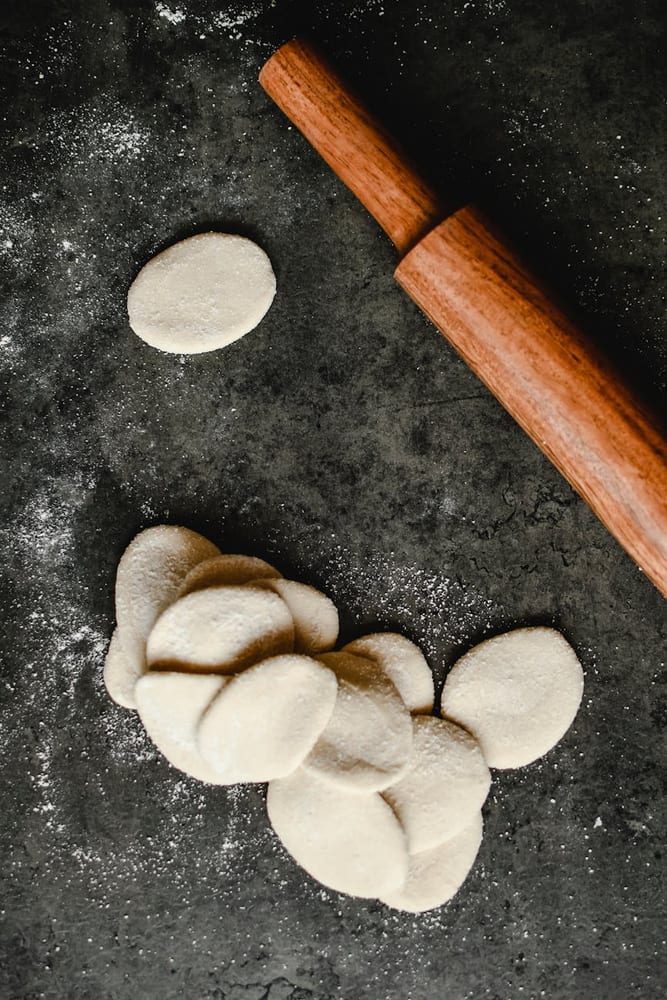
Traditional Neapolitan pizza dough is made from '00' flour, known for its fine grind and low gluten content, ensuring a light and chewy crust. The dough undergoes a lengthy fermentation process, typically between 8-24 hours. This fermentation not only enhances flavor but also creates a perfect structure for the oven’s intense heat.
- Tomatoes: San Marzano tomatoes are preferred for their sweet flavor and low acidity.
- Cheese: Mozzarella di bufala offers a creamy texture and rich flavor.
Baking Technique
The baking of Neapolitan pizza requires a wood-fired oven capable of reaching temperatures around 900°F (485°C). At these high temperatures, the pizza bakes in about 90 seconds, achieving a blistered and slightly charred crust that characterizes this beloved style.
Modern Artisanal Pizza
Contrasting with the time-honored methods of Neapolitan pizza, modern artisanal pizza embraces innovation and variety. Artisanal pizzaiolos experiment with different dough recipes, toppings, and cooking methods to craft unique flavor profiles and textures.
Innovative Ingredients
Contemporary pizzas often feature unconventional toppings and blends of various flours. Whole wheat, sourdough, or even gluten-free options are used to cater to diverse dietary preferences.
- Toppings: These can include anything from arugula and prosciutto to figs and goat cheese.
- Sauces: Alternative sauces such as pesto or béchamel may replace traditional tomato sauce.
Versatile Baking Methods
Unlike traditional styles requiring wood-fired ovens, artisanal pizzas might be baked in electric or gas ovens at lower temperatures, allowing more flexibility in terms of cooking times and crust characteristics.
Flavor Profiles: Classic vs. Contemporary
While both classic and modern pizzas share the common base of dough, sauce, and cheese, their flavor profiles differ significantly due to ingredient choices and preparation techniques.
Simplicity Versus Complexity
Neapolitan pizza thrives on simplicity. The harmonious blend of just a few high-quality ingredients results in clean, focused flavors where the natural sweetness of tomatoes and creamy cheese shine through. In contrast, artisanal pizzas often present a symphony of flavors as diverse toppings create complex taste layers.
Texture Differences
The texture of a traditional Neapolitan crust is airy yet chewy with characteristic leopard-like spotting from the intense heat. Modern pizzas might feature varied textures ranging from thin and crisp to thick and hearty, depending on dough recipes and cooking methods.
Ideal Consumption Contexts
The context in which each type of pizza is best enjoyed can vary considerably based on personal preference and occasion.
Traditional Neapolitan: A Cultural Experience
The traditional approach often appeals to those seeking authenticity and nostalgia. Enjoying a Neapolitan pizza can feel like taking a culinary trip to Italy, often best served in a cozy trattoria with a simple Chianti or Peroni beer.
Modern Artisanal: Creative Exploration
For the adventurous eater or when hosting gatherings that encourage sharing new flavors, modern artisanal pizzas offer endless possibilities. Paired with craft beers or eclectic wines, they provide an experience as much about discovery as it is about taste.
A Practical Guide to Crafting Your Pizza
Whether you prefer classic or contemporary styles, creating your own pizza at home can be a rewarding endeavor. Below is a practical guide to help you get started:
- Selecting Ingredients: For traditional pizzas, stick with essential components like '00' flour and San Marzano tomatoes. For artisanal versions, consider a variety of toppings and dough types.
- Dough Preparation: Allow sufficient time for dough fermentation to develop flavor. Experiment with different fermentation times to find your preferred texture.
- Baking Equipment: While a pizza stone or steel can mimic the effects of a brick oven at home, an ordinary oven preheated at its highest setting works well too. For a crispy crust, try pre-baking the crust for a few minutes before adding toppings.
The world of pizza offers a vast canvas for culinary exploration. Whether you align with the timeless appeal of Neapolitan traditions or the innovative spirit of contemporary artisanship, each style has its unique merits worth savoring.