
A Guide to Sous Vide, Grilling, and Braising: When to Use Each Method
The Art of Cooking: Choosing the Right Method
Cooking is both an art and a science. Each method of cooking imparts its unique characteristics to food, influencing its flavor, texture, and nutritional value. In this guide, we explore three popular cooking techniques—sous vide, grilling, and braising—each offering distinct outcomes for your culinary creations.
Understanding when and why to use each method can elevate your cooking from everyday to exceptional. Let’s dive into the intricacies of these methods to see how they can best serve your culinary ambitions.
Sous Vide: Precision and Consistency
Sous vide, French for “under vacuum,” involves sealing food in airtight bags and cooking it in a water bath at precisely controlled temperatures. This technique is praised for its ability to produce consistent results with minimal oversight.
How It Works
Sous vide cooking employs a water circulator to maintain the water at a specific temperature. Food sealed in vacuum bags is submerged in the water bath for extended periods, allowing it to cook evenly and retain moisture.
When to Use Sous Vide
- Perfect for Proteins: Use sous vide for meats like steak, chicken breasts, and fish fillets. It ensures proteins are cooked to exact doneness without overcooking.
- Batch Cooking: Ideal for meal prep, you can cook multiple items simultaneously and finish them later with a quick sear.
- Delicate Vegetables: Cook vegetables like asparagus or carrots to precise tenderness while maintaining vibrant colors.
Pros and Cons
- Pros: Consistent results, enhanced flavor retention, less risk of overcooking.
- Cons: Longer cooking times, requires special equipment (immersion circulator).
Sous Vide Workflow
- Preparation: Season your protein or vegetables with salt, pepper, and herbs before vacuum sealing them in plastic bags.
- Cooking: Set the immersion circulator to the desired temperature (e.g., 130°F for medium-rare steak) and submerge the bagged food in the water bath.
- Finishing: After reaching the target time (e.g., 1-4 hours for steak), remove the food and quickly sear it on a hot pan or grill for added texture and flavor.
Grilling: Flavorful Char and Smoke
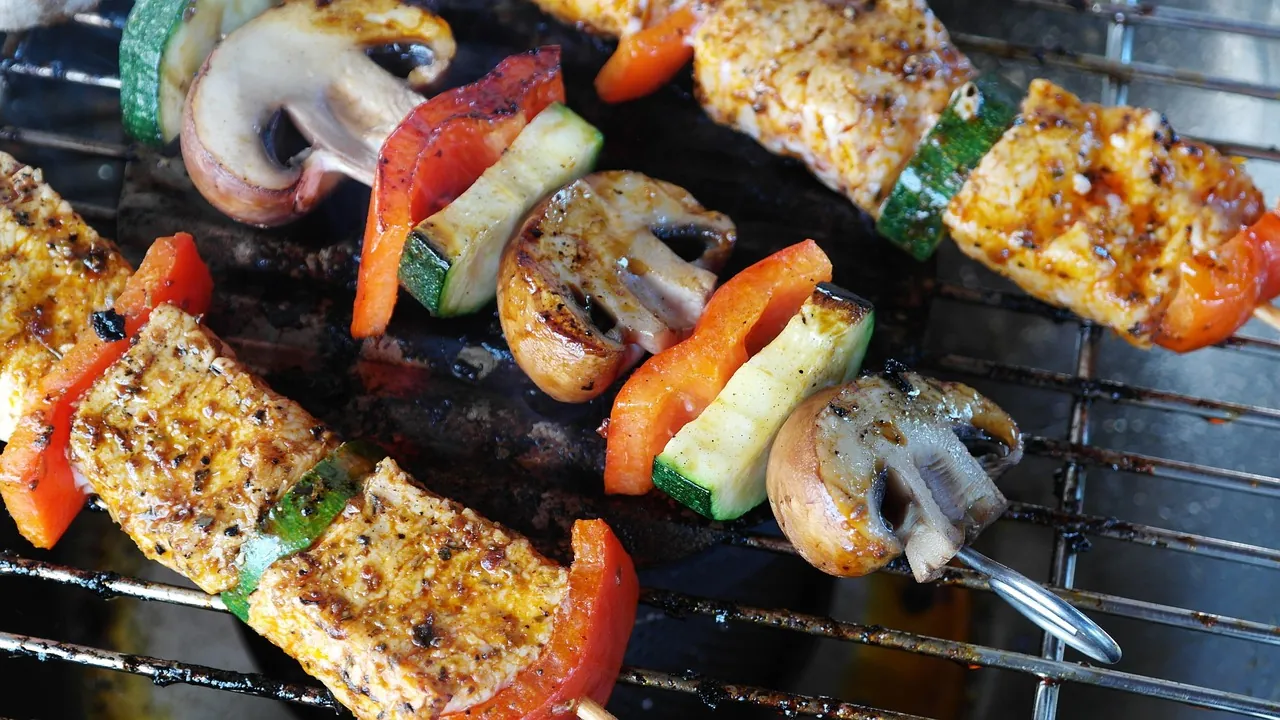
Grilling is synonymous with summer barbecues and backyard gatherings. The method involves cooking food over direct heat, either using charcoal or gas grills, imparting a distinctive smoky flavor and enticing grill marks.
The Basics of Grilling
Grilling typically involves high temperatures that create a caramelized exterior through the Maillard reaction. This process adds depth and complexity to the flavors of the food being grilled.
When to Grill
- Quick Cooking Items: Best suited for cuts like burgers, sausages, steaks, and vegetable skewers that cook rapidly over high heat.
- Enhanced Smokiness: Foods that benefit from a smoky aroma like ribs or chicken wings.
Pros and Cons
- Pros: Quick cooking times, distinctive charred flavor, social cooking experience.
- Cons: Difficulties in temperature control, potential for uneven cooking.
Grilling Tips
- Preheat Your Grill: Allow your grill to preheat for at least 10 minutes before adding any food to ensure proper searing.
- Direct vs. Indirect Heat: Use direct heat for searing and quick cooks; indirect heat for thicker cuts requiring more time.
- Basting and Sauces: Apply sauces towards the end of grilling to prevent burning and enhance flavors.
Braising: Deep Flavors Through Slow Cooking
Braising is a method of slow-cooking that combines moisture and heat over time. It’s particularly effective for tougher cuts of meat, transforming them into tender delights rich in flavor.
The Braising Process
Braising starts with searing the meat on high heat, followed by slow cooking it in a covered pot with some liquid (broth, wine, or even beer) at low temperatures.
When to Braise
- Tougher Cuts: Perfect for cuts like short ribs, brisket, or pork shoulder that benefit from slow breakdown of collagen into gelatin.
- Saucy Dishes: Dishes like coq au vin or beef bourguignon where the sauce is as important as the main ingredient.
Pros and Cons
- Pros: Develops deep flavors, excellent for large cuts of meat.
- Cons: Time-consuming process, not suitable for quick meals.
Braising Workflow
- Searing: Begin by browning your meat in a hot pan to create a flavorful crust.
- Add Liquid: Once browned, deglaze the pan with your choice of liquid. This will form the base of your sauce.
- Simmer: Transfer everything to an oven-safe dish or slow cooker, cover tightly, and cook slowly until tender (usually 2-4 hours).
Your Mini-Framework: Deciding Between Methods
This mini-framework helps determine which method suits your dish best:
- If precision, consistency, and nutrient retention are priorities (and you have time), choose sous vide.
- If you want speed, sociability, and that classic smoky taste, go with grilling.
- If you aim for deep flavors, enjoy creating saucy dishes, and don’t mind longer cooking times, opt for braising.
No matter which technique you choose, mastering it can significantly elevate your cooking skills. Each method provides its own set of advantages, enabling you to tailor the outcome based on your culinary goals and preferences. Experimenting with these techniques will not only expand your cooking repertoire but also refine your palate as you discover new layers of flavor in familiar foods.