
How Game Development Enhances Coding Skills in Young Learners
The Role of Game Development in Modern Education
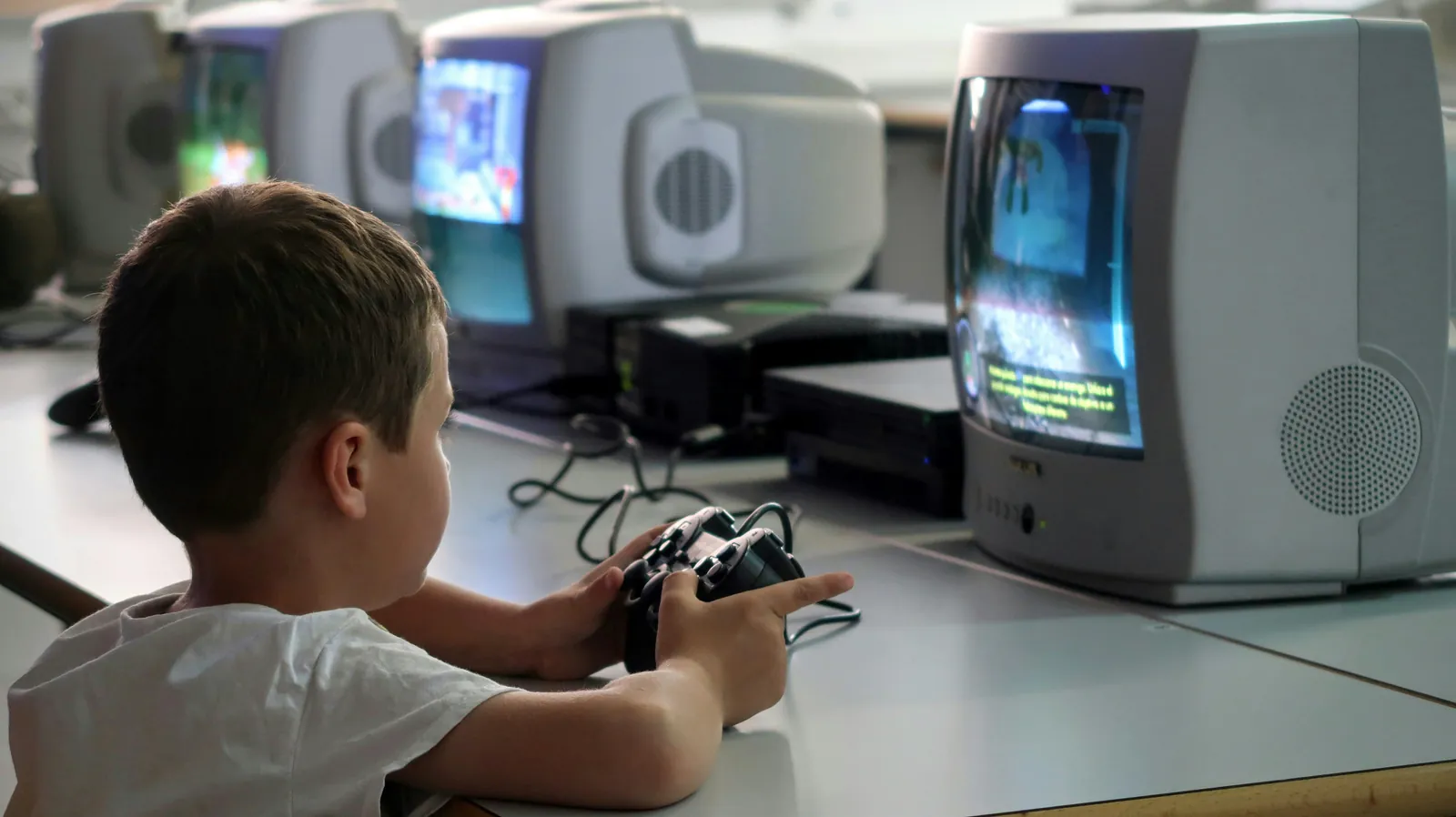
In recent years, educational systems worldwide have begun to recognize the importance of integrating technology into their curricula. One compelling approach is using game development to enhance coding skills among young learners.
This method not only engages students but also provides them with a practical, hands-on experience that traditional coding exercises might lack.
Integrating Game Development in Schools
Many schools have successfully integrated game development into their programs by creating specialized courses or after-school clubs dedicated to this activity. By blending creative storytelling with technical programming skills, educators can foster a unique learning environment that appeals to a wide range of students.
Case Study: The Innovate School's Approach
The Innovate School in California has been at the forefront of using game development as a teaching tool. Their approach involves a two-tiered system. In the first tier, students are introduced to basic coding principles through block-based programming languages like Scratch. This allows students to create simple games without being overwhelmed by syntax.
Once students are comfortable with the basics, they move to the second tier, which involves more advanced tools such as Unity or Godot. Here, they start working on collaborative projects, enhancing both their coding and teamwork skills.
The Benefits of a Structured Program
- Engagement: Students often find game development exciting because it combines creativity with technical skill.
- Problem-Solving Skills: Creating games requires logical thinking and problem-solving abilities.
- Real-World Application: Students understand how their coding skills can be applied in real-world scenarios.
Hands-On Robotics and Game Design Projects
Combining robotics with game design projects takes learning to another level. By giving life to their creations through code, students see immediate feedback and results from their programming efforts. This immediacy helps cement abstract concepts through tangible outcomes.
Practical Example: RoboGame Challenge
The RoboGame Challenge, a project run by a consortium of schools in Texas, exemplifies this integration. Students are tasked with building a robot that navigates an obstacle course. The catch? They must also develop a game that simulates the challenges the robot will face. This dual approach reinforces coding concepts as students program both the robot and the virtual game world simultaneously.
Participating students reported increased confidence in their coding abilities and a greater interest in STEM fields.
Workflows for Successful Implementation
For schools looking to implement similar programs, here are some effective workflows:
Establish Clear Objectives
Define what you want students to learn from game development projects. Is the focus on specific coding languages, problem-solving skills, or fostering creativity? Clear objectives guide the curriculum and ensure consistent outcomes across different classes.
Provide Appropriate Tools
Using age-appropriate tools is crucial. Younger students might begin with platforms like Scratch or Tynker, while older students could progress to using Python or JavaScript alongside game engines like Unity.
Create Collaborative Opportunities
Encourage students to work in teams. Not only does this mirror professional environments, but it also enhances soft skills such as communication and cooperation. Team-based projects can be particularly beneficial in developing leadership and project management skills.
The Impact of Game Development on Learning Outcomes
The positive impact of game development projects on learning outcomes has been well-documented. According to a study conducted by the University of Washington, students involved in game development programs showed a 30% improvement in problem-solving assessments compared to their peers who did not participate.
Furthermore, the integration of gaming principles into education has been shown to increase motivation and engagement significantly. Students are more willing to experiment and learn from their mistakes when they are deeply invested in a project that they find enjoyable.
Challenges and Considerations
While the benefits are evident, there are challenges that educators may face when implementing game development programs:
- Resource Constraints: Schools may not always have access to necessary technology or funding.
- Teacher Training: Teachers need adequate training to effectively guide students through game development projects.
Addressing these challenges often requires innovative solutions such as community partnerships, where local tech companies provide resources or mentorship to schools.
The Future of Coding Education
As educational institutions continue to embrace technology-enhanced learning methods, game development will likely play an increasingly significant role in teaching coding skills. By preparing today’s learners with these skills, we lay the groundwork for future innovators and problem-solvers.
Moreover, as technology evolves, so too will the methods and tools available for teaching young students. Keeping curricula adaptable and current ensures that students remain engaged and equipped for the future challenges of an increasingly digital world.