
examining the cognitive advantages of bilingual programs for young students
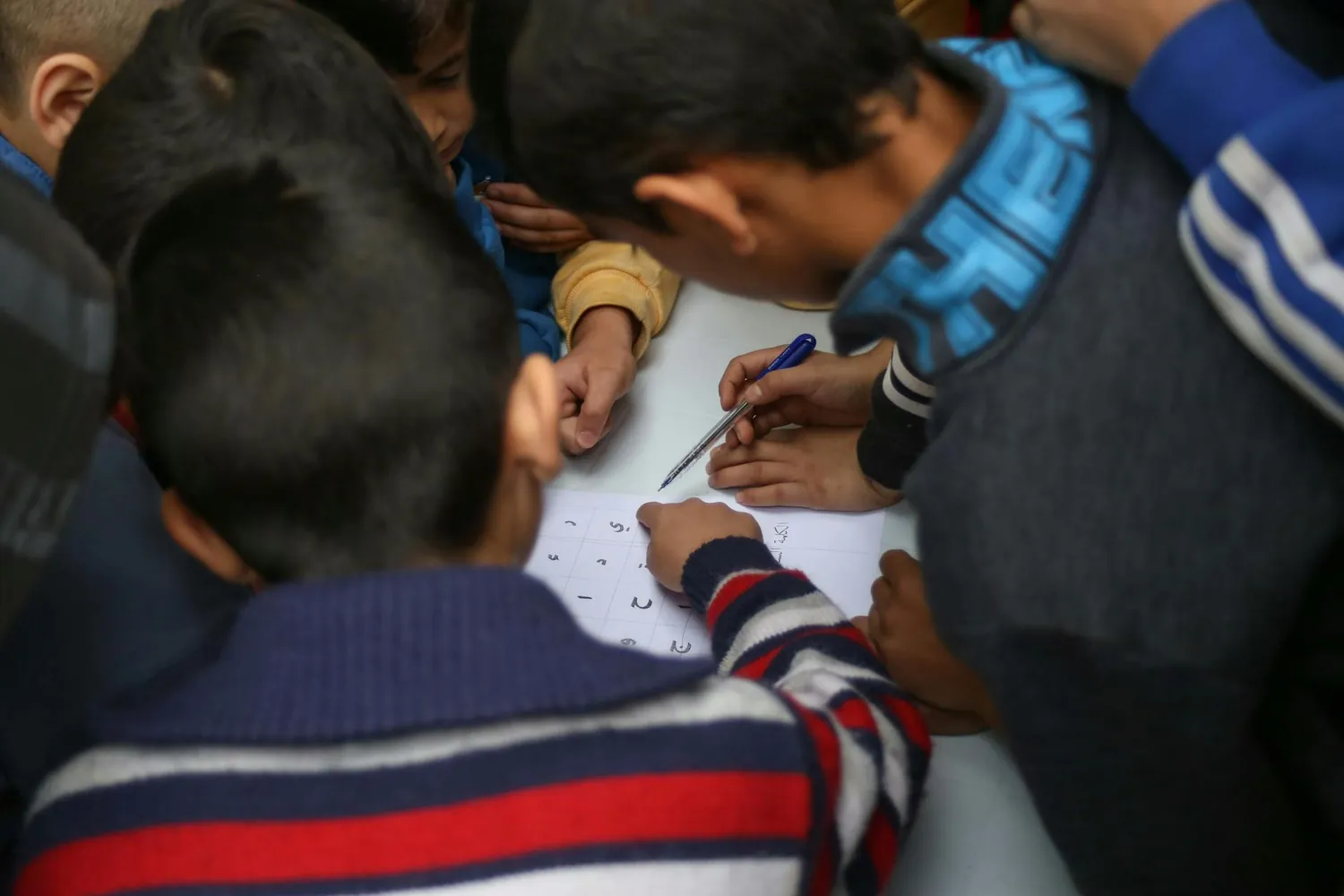
The Cognitive Edge of Bilingual Education
Bilingual education has long been a subject of interest among educators, parents, and researchers alike. Recent studies reveal that exposing young learners to more than one language can foster significant cognitive benefits. These include enhanced cognitive flexibility, improved critical thinking skills, and superior problem-solving abilities.
Such advantages can provide young students with tools necessary for both academic success and life beyond the classroom.
Understanding Cognitive Flexibility
Cognitive flexibility refers to the brain's ability to transition between thinking about different concepts or to think about multiple concepts simultaneously. In a bilingual environment, students constantly navigate between two language systems, which strengthens their cognitive muscles, enhancing mental agility and adaptability.
Research Insights
Several studies have demonstrated that bilingual individuals are often better at multitasking and shifting between tasks. For instance, a study conducted by the University of Edinburgh showed that bilingual children displayed superior executive function in tests requiring task-switching compared to monolingual peers. This adaptability is a direct consequence of their daily experience in managing two languages.
Practical Classroom Implementation
- Language Immersion Programs: Schools can introduce language immersion programs where subjects are taught in a second language, fostering a natural environment for bilingual growth.
- Interactive Activities: Encourage activities that require students to use both languages interchangeably, such as role-playing or storytelling.
- Language Pairings: Pair students with partners who speak different primary languages for certain projects or tasks.
Enhancing Critical Thinking Skills
Bilingual programs do more than just improve linguistic skills; they also bolster critical thinking. When students learn and apply multiple languages, they frequently compare linguistic structures, which enhances their analytical skills and cultural awareness.
Cultural Perspective
Through bilingual education, students gain exposure to multiple cultural viewpoints, promoting empathy and broader understanding. This cultural perspective encourages learners to approach problems from various angles and consider diverse solutions.
Application Strategies
- Debate Clubs: Initiate debate clubs where students argue topics in different languages, refining their argumentation skills across linguistic boundaries.
- Cultural Exchange Projects: Develop projects that explore different cultures through language, such as preparing presentations on international customs and traditions.
Boosting Problem-Solving Abilities
The problem-solving prowess observed in bilingual students stems from their ability to think in more complex ways. Switching languages requires not only vocabulary recall but also an understanding of nuanced meanings and contexts, thereby fostering greater problem-solving capabilities.
Evidence from Studies
A significant body of research, including work from the University of Granada, shows bilinguals often perform better on standardized tests that assess problem-solving skills. This is attributed to their enhanced ability to manage conflicting information and discern relevant data from distractions.
Implementation in Curriculum
- Problem-Based Learning: Incorporate bilingual elements into problem-based learning scenarios where students collaborate on real-world issues using multiple languages.
- Language Puzzles: Introduce puzzles and games that require language manipulation, stimulating critical thinking while making learning fun.
The Trade-offs: Potential Language Confusion
While the benefits of bilingual programs are compelling, educators must address potential drawbacks such as language confusion. Younger students may initially struggle with mixing languages, known as code-switching. However, this phase is generally temporary and tends to resolve as children grow accustomed to bilingual interaction.
Mitigating Confusion
- Clear Contextual Use: Encourage clear delineation of language use by assigning specific subjects or contexts for each language.
- Consistent Reinforcement: Regular reinforcement through reading and storytelling can help solidify language boundaries in young minds.
The Framework for Educators: Implementing Bilingual Education Effectively
Implementing a successful bilingual program involves strategic planning and execution. Below is a practical mini-framework educators can adopt:
- Assessment: Begin with assessing the linguistic needs and capabilities of your student population. Tailor programs based on community language resources and student proficiency levels.
- Curriculum Design: Integrate bilingual components into the curriculum by collaborating with linguists and cultural experts to ensure content is relevant and engaging.
- Teacher Training: Invest in professional development for educators to equip them with effective bilingual teaching methodologies and classroom management strategies.
- Parental Involvement: Engage parents through workshops that educate them on supporting bilingual development at home, encouraging language practice beyond the classroom setting.
Bilingual education represents an investment in cognitive development that prepares students for a globalized world. By thoughtfully implementing bilingual programs, educators can nurture a new generation of learners equipped with heightened cognitive capabilities and cultural insights.